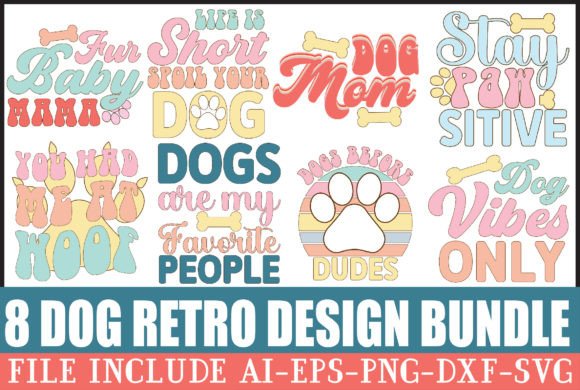
Dog Retro Sublimation Bundle
First Impressions: A Playful, Nostalgic Silhouette That Wants to Be Stitched
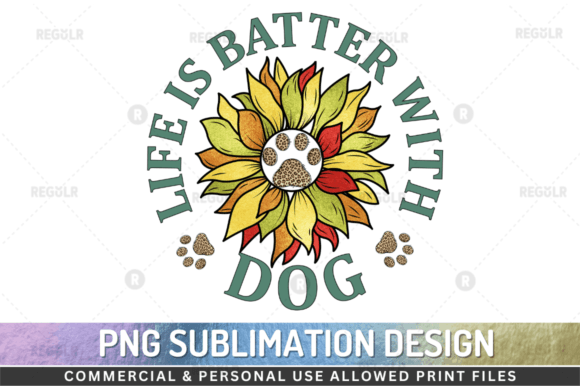
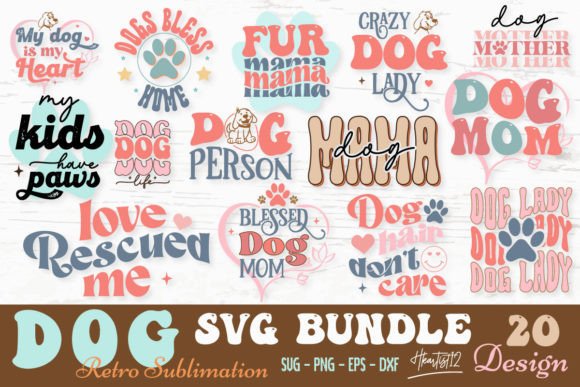
Opening the Dog Retro Sublimation Bundle feels like flipping through a vintage craft magazine—clean lines, bold outlines, and that unmistakable mid-century charm. It’s not overly detailed, but it’s intentionally expressive: a stylized dog head with rounded ears, a subtle collar, and clean negative space that invites color play. As an embroidery designer who’s stitched hundreds of animal motifs, I immediately sensed its potential—not as a photorealistic portrait, but as a confident, repeatable graphic for handmade products that need warmth and character without fuss.
Real-World Test: Embroidering It on a Linen-Cotton Tote Bag for a Local Boutique
Last week, I prepped a small-batch run of embroidered tote bags for a neighborhood gift shop—think sturdy 10-oz natural linen-cotton blend, medium-weight stabilizer, and soft matte thread in mustard and charcoal. I resized the Dog Retro Sublimation Bundle to fit a 4” hoop comfortably, keeping proportions intact. The design translated beautifully: no jagged edges, no pixelated curves. Because it’s built with smooth vector paths (SVG/EPS), scaling down didn’t sacrifice clarity—even at 3.5”, the ear contour and collar line held their shape. Customers loved how it looked: friendly but not cutesy, retro but not dated, and instantly recognizable at arm’s length.
Where It Shines—and Where It Needs Thoughtful Handling
The Dog Retro Sublimation Bundle works exceptionally well for:
- Custom apparel: Sweatshirts, crewnecks, and unisex tees—especially when paired with a single-tone satin stitch collar or minimal fill-stitch face.
- Embroidered patches: Its bold outline makes it ideal for sew-on or iron-on applique designs, especially when backed with twill or felt.
- Baby embroidery: On organic cotton onesies or burp cloths—just avoid dense fill areas near seams; keep stitch density moderate for softness.
- Holiday and boutique merchandise: Think pillow covers for fall, tea towels for kitchen gifting, or nursery wall art where simplicity reads as intentional, not unfinished.
But here’s where attention matters:
- Small hoop sizes (<4”): The collar detail tightens noticeably below 3”. Test first—you may want to simplify or omit minor elements manually.
- Textured or stretchy fabric: On ribbed knits or lightweight jersey, use cutaway + tear-away stabilizer combo. The clean lines can blur if the base shifts mid-stitch.
- Dark fabric: Since this is a sublimation-oriented bundle, the original file lacks built-in underlay or pull compensation. For dark backgrounds, add a light underlay stitch in your embroidery software—or choose high-contrast thread (e.g., cream on navy) to maintain legibility.
- Curved surfaces: Caps or curved apron pockets require careful hooping and possibly slight digitizing tweaks—this isn’t a ready-to-go cap file out of the box.
How It Shapes Perception—Before and After Stitching
A well-executed Dog Retro Sublimation Bundle elevates perceived value instantly. On a handmade apron sold at a craft fair, it reads as intentional branding—not generic clip art. On a personalized baby blanket, it feels curated, not mass-produced. That’s because the design carries visual confidence: balanced weight, consistent stroke rhythm, and enough personality to stand alone without text. For Etsy sellers or small shop owners, that translates directly to higher engagement—shoppers pause longer, click “add to cart” more readily, and leave reviews mentioning “so cute” and “perfectly done.”
But let’s be real: if stitched too densely on thin cotton or rushed onto a low-thread-count towel, it loses charm fast. Overfilled areas flatten texture; loose tension on the collar line creates a sloppy halo. So yes—it’s versatile, but versatility doesn’t mean zero prep.
Practical Designer Notes You’ll Actually Use
Before stitching your first Dog Retro Sublimation Bundle project, do these five things:
- Test on scrap fabric—same weight and weave as your final product. Watch how the collar curve behaves on stretch vs. stable fabric.
- Check thread color contrast in natural light. What looks sharp on screen may mute on oat-colored linen.
- Review stitch density in your embroidery software. If the fill area exceeds 18–22 stitches/mm², consider simplifying or switching to a lighter fill pattern.
- Confirm hoop size compatibility. This bundle was designed for cutting machines—but embroidery requires digitized files. If you’re converting it yourself, verify anchor points align cleanly before auto-digitizing.
- Verify licensing. Since it’s labeled a digital cut file for crafts, confirm whether commercial embroidery rights are included—especially if selling finished products or digital embroidery files on Etsy or Creative Market.
Final Thought: A Reliable Graphic, Not a Magic Button
The Dog Retro Sublimation Bundle isn’t flashy—but it’s dependable. It won’t replace a custom-drawn mascot logo for a pet brand, but it *will* consistently deliver charm across tote bags, baby items, holiday gifts, and small-batch apparel. As a designer who balances speed and soul in every stitch, I reach for it when clients need approachable, on-brand graphics—without endless revisions or costly digitizing. It fits neatly into the Crafts category not because it’s simple, but because it respects the maker’s time, tools, and intention. And in today’s handmade economy? That kind of respect is rare—and worth every stitch.