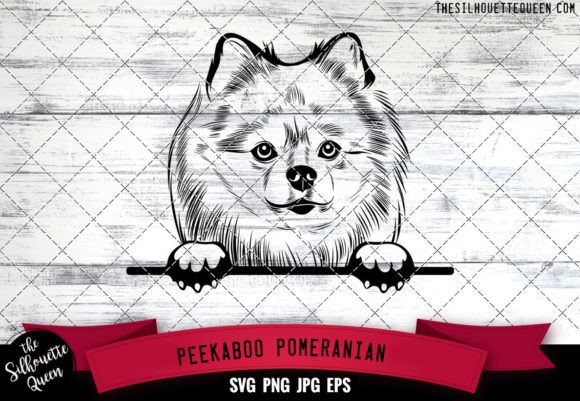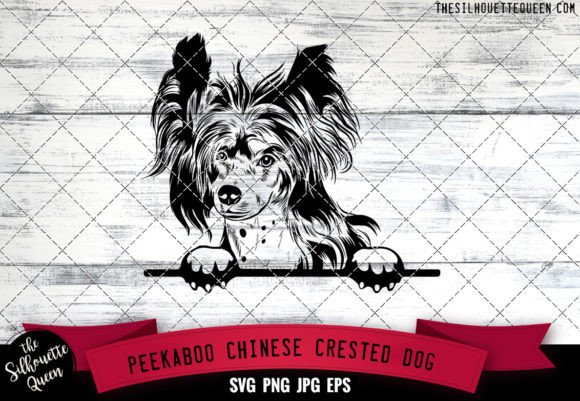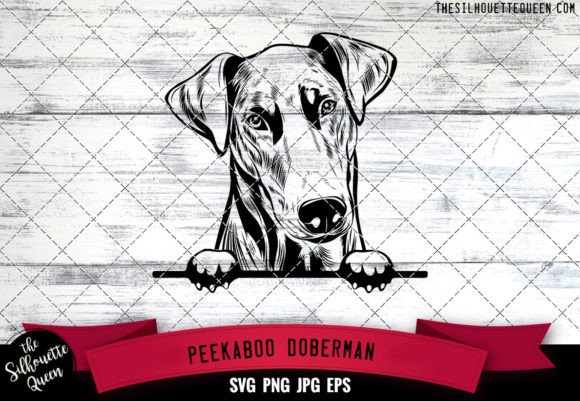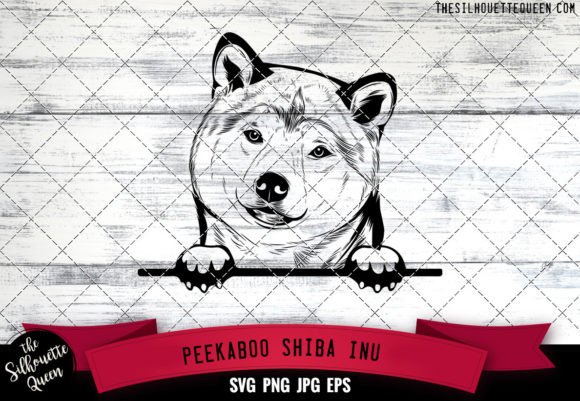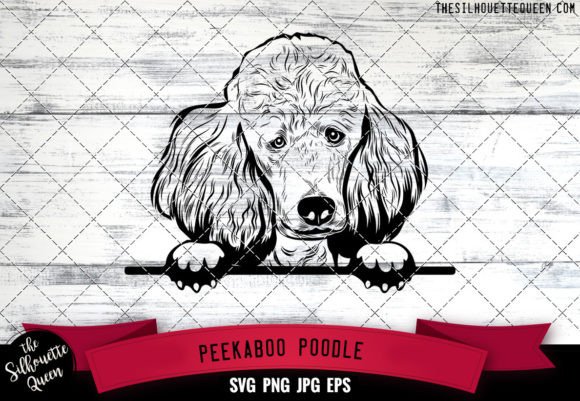
Poodle Peekaboo Dog Face
First Impression: Playful, Polished, and Perfectly Sized for Real Stitching
When I opened Poodle Peekaboo Dog Face, I didn’t just see a dog illustration—I saw a finished product waiting to be stitched. The face is round, expressive, and gently stylized: big eyes, a soft nose, and just enough poodle texture in the fur to suggest breed without overwhelming detail. It’s not cartoonish, but it’s not hyper-realistic either—this middle ground is gold for embroidery. It lands warmly on baby onesies, shines on linen tea towels, and adds charm to boutique aprons without looking too juvenile or too stiff. As a machine embroidery design, its balance of simplicity and personality tells me it was drawn *for stitching*, not just screen display.
A Real Project Test: Embroidering It on a Linen-Cotton Tote Bag
Last week, I used Poodle Peekaboo Dog Face for a custom order—a medium-weight linen-cotton tote for a local pet boutique. I chose a 4-inch hoop and paired it with medium tear-away stabilizer. The result? Clean satin stitch around the muzzle, even fill stitch in the ears, and crisp running stitch for subtle highlights. No puckering. No thread breaks. Customers loved how the design held its shape after washing—and more importantly, how it looked *handmade*, not mass-produced. That warmth matters. When you’re selling handmade products or personalized gifts, authenticity starts with how the design behaves under needle and thread.
Where It Shines (and Where It Needs Thought)
Poodle Peekaboo Dog Face works beautifully on:
- Custom apparel like sweatshirts and crewneck tees—its rounded shape avoids awkward stretching across seams;
- Baby embroidery projects, especially on knit bodysuits or burp cloths, where gentle curves read clearly at small scale;
- Embroidered patches meant for iron-on or sew-on application—its clean outer edge makes cutting and finishing reliable;
- Holiday embroidery and wedding gifts, like monogrammed pillow covers or kitchen towels, where charm and clarity beat complexity;
- Digital embroidery file use for Etsy sellers: it scales well for printable mockups and looks consistent across light and dark fabric previews.
But here’s where attention pays off:
- Small hoop sizes (under 3 inches): The inner eye details and subtle fur lines may lose definition—test first on scrap fabric before committing to tiny placements like cap fronts.
- Textured or stretchy fabrics: On terry cloth towels or jersey knits, use cut-away stabilizer and reduce stitch density slightly to prevent distortion.
- Dark fabric backgrounds: The design includes no built-in white underlay—add one manually if stitching on black or navy to keep light-colored thread from dulling.
- Curved surfaces (like structured caps): The face’s symmetry helps, but always hoop tightly and consider splitting the design into two passes if your machine struggles with tension on domed areas.
Design Assets That Support Your Craft Business
The included files—SVG, JPG, PNG, EPS—give flexibility without overcomplication. The SVG and EPS are ideal for resizing in digitizing software; the PNG holds transparency for quick mockups; the JPG is handy for client proofs. As a craft business owner or Etsy seller, that range means you can prep listings fast, tweak colors for seasonal palettes, and deliver clean digital previews—all without licensing guesswork. Just confirm the license permits commercial embroidery use before listing finished items or reselling the file itself.
What It Adds to Your Finished Product
This isn’t just about stitch count or file type—it’s about perception. Poodle Peekaboo Dog Face elevates a plain tote into a keepsake. It gives a baby gift emotional resonance. It makes a small shop product feel intentional, not incidental. Customers notice when a design feels *considered*: when the eyes align, when the nose sits centered, when the curve of the ear echoes the curve of the cheek. That cohesion builds trust. It says, “This wasn’t slapped on—it was chosen, tested, and stitched with care.” For handmade product sellers, that quiet professionalism is worth more than any trend.
Practical Designer Notes Before You Stitch
Before using Poodle Peekaboo Dog Face in your next project, take these five minutes:
- Test on scrap fabric matching your final material—especially if it’s textured, thin, or stretchy;
- Check thread color contrast by stitching a small section in both light and dark thread on a dark fabric swatch;
- Review stitch density in your embroidery software—reduce fill density by 5–10% on delicate fabrics;
- Confirm hoop size compatibility—the design fits comfortably in a 4×4 hoop, but verify your machine’s maximum dimensions;
- Inspect small details like eyelashes or nostril lines at 200% zoom—they should digitize cleanly, not collapse into blobs;
- Try black-and-white mockups to gauge readability without color distraction;
- Use proper stabilizer—medium tear-away for stable wovens, cut-away for knits, and water-soluble for sheer fabrics;
- Verify licensing for both personal and commercial embroidery use—especially if you plan to sell finished embroidered items or bundle the file in digital product kits.
A Design That Fits Your Workflow—Not the Other Way Around
I’ve passed on dozens of “cute” dog faces because they didn’t translate to thread. Poodle Peekaboo Dog Face doesn’t ask you to compromise. It respects fabric behavior, honors stitch limitations, and leaves room for your voice as a designer. Whether you’re embroidering a holiday gift for a friend, stocking a craft fair booth, or building a cohesive line of nursery decor, this design supports your intention—not distracts from it. In the world of Crafts and Graphics, that kind of reliability is rare. And for creative entrepreneurs who stitch for a living, it’s indispensable.