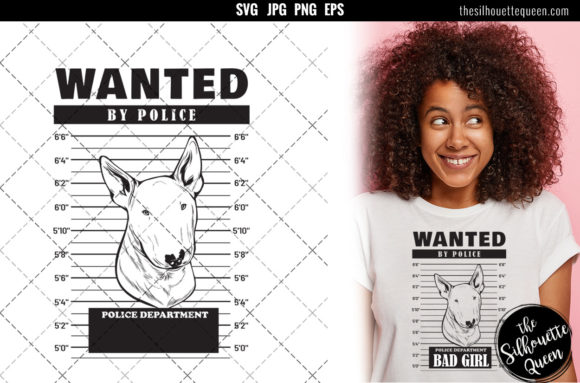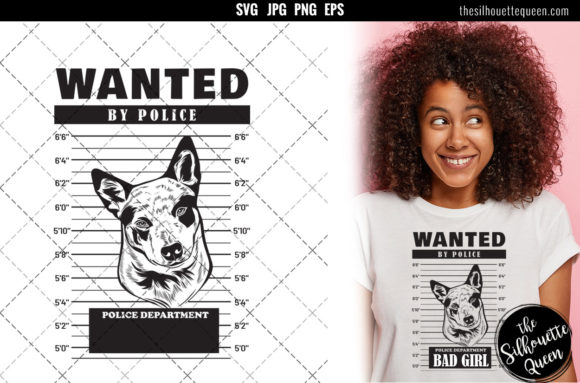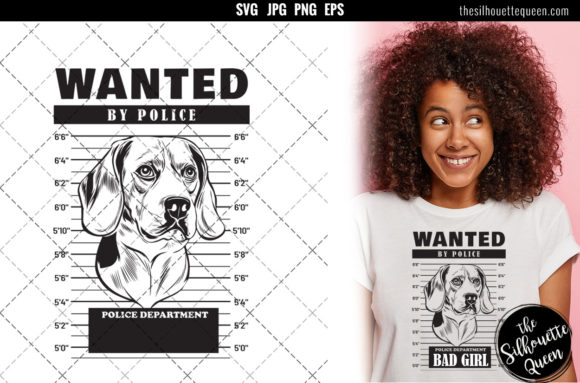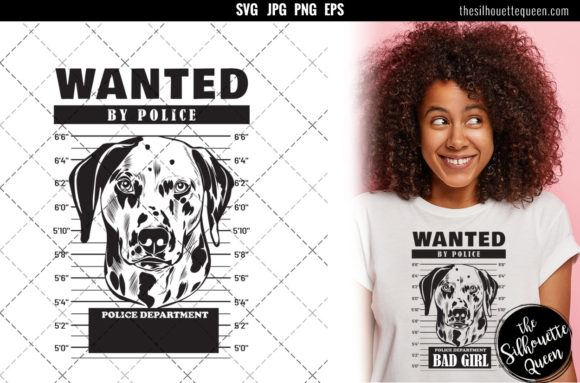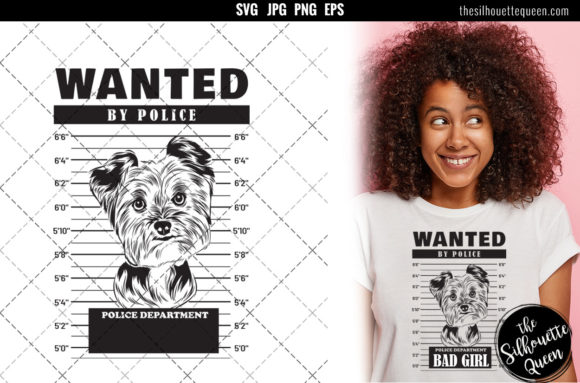
Mugshot of Yorkshire Terrier Dog
A Designer’s First Glance: Charm with Clear Intent
When Mugshot of Yorkshire Terrier Dog lands in my inbox, it doesn’t shout—it winks. There’s a quiet confidence in the pose: head slightly tilted, ears perked, eyes bright but not exaggerated, whiskers just hinted—not drawn in stiff lines. It feels like a portrait taken mid-curiosity, not a cartoon caricature. That nuance matters. As someone who’s stitched dozens of pet designs for Etsy sellers and boutique baby lines, I know this kind of restraint translates beautifully to embroidery—especially when you’re balancing charm with stitchability.
Where This Design Truly Shines
I recently used Mugshot of Yorkshire Terrier Dog as the centerpiece for a custom embroidered linen tea towel series—part of a small shop launch targeting dog-loving foodies and new pet parents. The design held up perfectly on medium-weight fabric with light tear-away stabilizer. Its clean silhouette and moderate detail meant satin-stitched edges stayed crisp, and the subtle facial features read clearly even at 3.5 inches wide. It also worked well scaled down to 2.25 inches on organic cotton baby onesies—no lost definition, no thread nesting in tight corners.
This isn’t a design that fights its way onto busy sweatshirts or layered hoodies. Instead, it thrives where clarity and warmth are the goal: embroidered tote bags for vet clinics, minimalist pillow covers for nursery decor, vintage-style aprons for pet groomers, or holiday gift tags for Yorkshire Terrier rescue fundraisers. Its personality supports storytelling—not shouting—and that makes it ideal for handmade products where customers connect with intention, not just imagery.
Fabrics & Surfaces: Know When to Lean In—or Step Back
Mugshot of Yorkshire Terrier Dog performs best on stable, medium-weave fabrics: quilting cotton, twill, linen blends, and midweight knits with proper cutaway stabilizer. On stretchy fabrics like jersey or lightweight French terry, I recommend testing the fill stitch density first—some areas (like the cheek contour or ear base) can pull if tension isn’t dialed in. Curved surfaces like caps require careful hooping and possibly slight digitizing tweaks—this file wasn’t built for high-crown distortion, so treat it as a front-panel or flat-panel design unless you’re comfortable adjusting placement manually.
Dark fabrics? Yes—but only with high-contrast thread. I ran it in ivory on navy denim and loved the result, but switched to a matte poly thread instead of glossy rayon to avoid glare that distracted from the dog’s expression. On textured fabrics like bouclé or heavy canvas, simplify expectations: fine whisker lines may soften or disappear entirely. That’s not a flaw—it’s physics. Embrace it by choosing placements where texture enhances, rather than competes with, the design.
What to Watch For in Real Embroidery Use
- Hoop size: The original layout suggests a comfortable 4"–5" hoop range—ideal for most home and small-shop machines. If you’re stitching on tiny items (like toddler socks or keychain patches), confirm the smallest legible version before committing.
- Stitch density: Not overly dense, but not sparse either. It strikes a practical balance—enough coverage to hold shape on washable items, without risking puckering on delicate fabrics.
- Detail fidelity: The nose, eye highlights, and ear fold are present but simplified—smart for embroidery. They’ll read well in satin and fill stitch, but won’t trap thread or demand micro-trimming.
- Layering potential: Because it’s delivered in SVG and EPS, it’s easy to isolate elements (e.g., just the head for a monogram-style patch). That flexibility is gold for craft business owners building cohesive collections.
Commercial Use & Customer Trust
For Etsy sellers and small shop owners, Mugshot of Yorkshire Terrier Dog delivers quiet professionalism. It doesn’t scream “digital download”—it looks like something hand-drawn by a designer who knows dogs *and* stitches. That perception boosts buyer trust. When customers see this on a personalized gift tag or embroidered blanket, they don’t question quality—they imagine the care behind it. That intangible lift matters, especially in competitive niches like pet-themed nursery decor or wedding favors for Yorkie-owning couples.
That said—always verify licensing before listing finished products. The product description notes it includes PNG, JPG, SVG, and EPS files, which tells me it’s aimed at both digital crafters and embroiderers, but doesn’t specify commercial rights. If you’re selling physical items made with this design, double-check terms. If you’re reselling the files themselves, confirm whether redistribution is permitted.
Practical Designer Notes You’ll Actually Use
- Test on scrap fabric *with your exact stabilizer and thread combo*—not just once, but twice: once on light fabric, once on dark.
- Check how the design renders in black-and-white mockups. Does the contrast hold? Does the face still “read”?
- Zoom in on the eye and nose areas in your embroidery software. Are stitch directions logical for smooth satin work? Adjust if needed.
- Compare how it scales across three sizes: 2", 3.5", and 5". Note where detail starts to blur or overfill—then lock in your go-to size for each product type.
- Use it in a printable mockup for your Etsy listings. Customers respond better to realistic context than isolated PNGs.
- If pairing with text (e.g., “My Yorkie Is My Person”), leave breathing room—the design’s visual weight needs space to land.
Final Thought: A Design That Serves the Maker
Mugshot of Yorkshire Terrier Dog isn’t flashy. It doesn’t promise viral appeal or algorithmic boost. What it does offer is reliability, warmth, and thoughtful craft alignment. It’s the kind of embroidery file that helps you say more with less—whether you’re stitching a one-off gift for a friend’s new puppy or building a repeatable product line for your Crafts shop. In a world full of overdesigned graphics, this one respects the needle, the fabric, and the person holding the hoop. And that, honestly, is rare.